How to Begin a Podcast
Podcasting has taken the world by storm, offering an exciting way to share your voice, ideas, and passions with a global audience. Whether you're looking to build a personal brand, entertain, or educate, starting a podcast is an achievable and rewarding venture. But how do you get started? This guide will walk you through every step of the process.
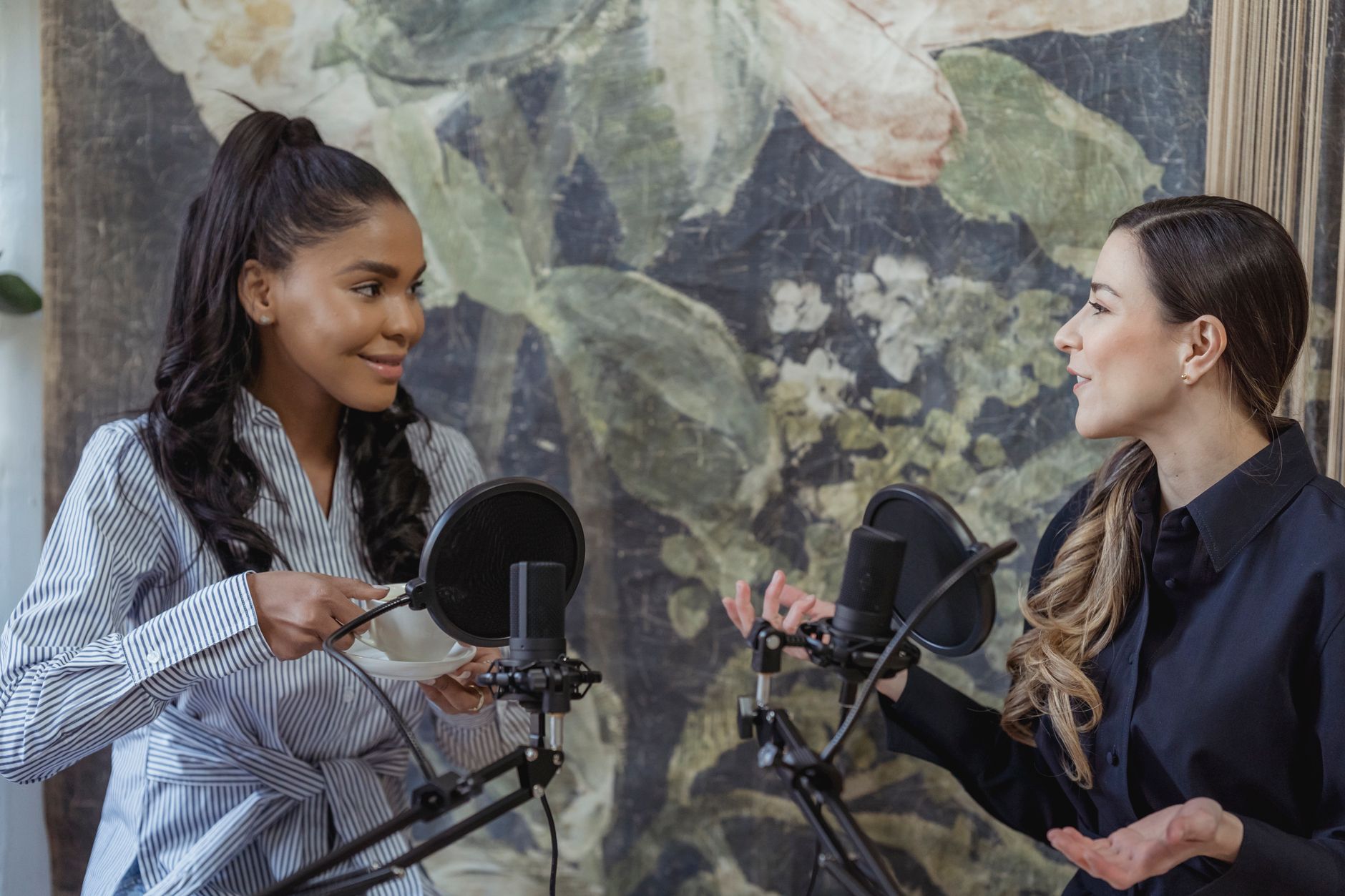
Photo by George Milton
Define Your Podcast Concept
The best podcasts are built on strong concepts. Before diving in, it's essential to define your niche, know your audience, and set clear goals.
Choose a Topic and Audience
Start with a topic you’re passionate about – something you can discuss endlessly. Passion fuels consistency. But passion alone isn't enough; you also need to identify your audience. Who are they? What are their interests or struggles? For example, if you're into fitness, your audience might be individuals starting a health journey. Research their preferences and habits to create relatable content they'll genuinely appreciate.
Generate Episode Ideas
A successful podcast needs sustainability. Start by brainstorming around 15 episode ideas. This ensures you've got enough material to keep going after the first few recordings. Think of series themes, trending topics, or evergreen discussions. For inspiration, you might explore communities like r/Podcasting on Reddit, where creators share topic suggestions.
Set Your Podcast Goals
What do you want to achieve with your podcast? Whether it’s building authority in your field, entertaining people, or creating impactful conversations, your goal will shape your approach. Setting clear goals also helps you track progress and keeps you focused.
Plan Your Podcast Format and Structure
Having a clear format and structure keeps listeners engaged and ensures your content flows smoothly.
Select a Format
Formats vary. Will it be solo episodes, interviews with guests, storytelling, or a mix of several styles? For example, interview-style podcasts like The Joe Rogan Experience require reaching out to guests, while solo formats need focused planning every episode.
Explore different formats with resources like Buzzsprout’s step-by-step podcast guide.
Determine Episode Length and Frequency
Decide how long your episodes will be. While many podcasts land in the 20–40 minute range, there’s flexibility based on content. Frequency matters too; whether it's weekly or bi-weekly, stay consistent so your audience knows when to tune in.
Create an Outline for Each Episode
Just like a roadmap, an episode outline helps maintain structure. Break it into segments: an intro, the main content, and an outro. This organization makes your episodes more professional and keeps listeners hooked.
Gather Your Equipment and Tools
To produce a podcast with quality sound, you need the right tools.
Essential Podcast Equipment
Investing in equipment doesn’t have to break the bank. Here’s a quick rundown:
- Microphone: A good-quality microphone, like the Blue Yeti or Samson Q2U, ensures clear sound.
- Headphones: Over-ear headphones help you monitor audio during and after recording.
- Accessories: Items like a pop filter and mic stand can significantly improve sound quality.
For a deep dive into equipment options, Riverside.fm offers guidance on beginner podcast setups.
Recording and Editing Software
Tools like Audacity (free and beginner-friendly) or GarageBand (for Mac users) make audio editing a breeze. If you're recording remotely, platforms like Zoom come in handy.
Setting Up Your Space
Your recording environment should be quiet and echo-free. Use soft furnishings or DIY soundproofing materials to reduce background noise. Even a closet can work in a pinch!
Publish and Promote Your Podcast
Once you've recorded and edited episodes, it’s time to share them with the world.
Choose a Podcast Host
Podcast hosting platforms are essential for distribution. Popular options like Buzzsprout and PodBean help distribute episodes across platforms like Apple Podcasts and Spotify. Learn more about hosting in detailed guides like this one from The Podcast Host.
Submit to Directories
After uploading to your host, make sure your podcast is available on major directories, including Apple, Spotify, and Google Podcasts. Each directory has specific submission processes, but most host platforms guide you through them.
Promote on Social Media
Use social platforms like Instagram, TikTok, and X (formerly Twitter) to reach potential listeners. Short clips or behind-the-scenes snapshots can create excitement and draw in new fans.
Grow and Monetize Your Podcast
Beyond creation, growth and monetization are key for long-term success.
Engage with Your Community
Building a loyal community can make your podcast thrive. Engage with listeners through social media or listener Q&A sessions. Replying to comments shows you value their input.
Implement Marketing Strategies
Cross-promote episodes with other podcasts or collaborate with creators in your niche. Email newsletters are another great way to highlight new episodes and share exclusive content.
Monetization Options
Once you’ve built a dedicated audience, consider sponsorships, affiliate marketing, or creating merchandise. These income streams can turn your passion project into a sustainable business. Check resources like Smart Passive Income’s podcasting tutorial for more ideas.
Conclusion
Starting a podcast may feel overwhelming at first, but it's absolutely possible with the right approach. Define your concept, plan your episodes, and invest in the right tools to create a show that connects with your audience. Remember, consistency and passion are your biggest assets. So, grab that microphone and start sharing. The world is ready to hear your story!
Comments
Post a Comment