Simple Camera Setup for a Beginner
Capturing beautiful moments through a camera is a rewarding experience, even for a beginner. But figuring out where to start can feel overwhelming with so many options. Whether you're hoping to learn photography as a hobby or simply document memories, a simple, effective camera setup is key to kicking things off with confidence. Let’s dive into how you can get started, step-by-step.
Understanding the Basics of Camera Equipment
To get the most out of photography, you first need to grasp the essential pieces of camera gear. From the type of camera to its accessories, each part plays a role in creating stunning images.
Camera Types: DSLR, Mirrorless, and Compact
When choosing a camera, you’ll likely hear about DSLRs, mirrorless cameras, and compact cameras. Here’s a simple breakdown:
- DSLRs: Offer exceptional image quality and a wide lens selection but are often bulkier. Suitable for those ready to explore manual settings.
- Mirrorless Cameras: Lightweight and packed with advanced features. Great for beginners who might eventually want to level up.
- Compact Cameras (Point-and-Shoots): Affordable and user-friendly, though these may lack flexibility compared to the other two types.
For simplicity and practicality, most beginners find mirrorless or entry-level DSLRs to be solid choices.
Essential Accessories for Beginners
No setup is complete without a few additional tools:
- Tripod: Stabilizes your camera, especially for low-light or long-exposure shots.
- Memory Cards: Opt for Class 10 or higher for better speed performance.
- Camera Bag: A protective case makes it easier and safer to carry your camera gear around.
Related Resource: For more gear tips, check out this https://youtu.be/Xm7wH_LR_Tc
Lens Basics: Kit Lenses and More
Most beginner cameras come with a kit lens — it's versatile and ideal for starting out. Kit lenses, such as the 18-55mm, are perfect for general photography like portraits or landscapes.
As you advance, you may want to invest in a prime lens (like a 50mm f/1.8) for sharper images and lower light functionality.
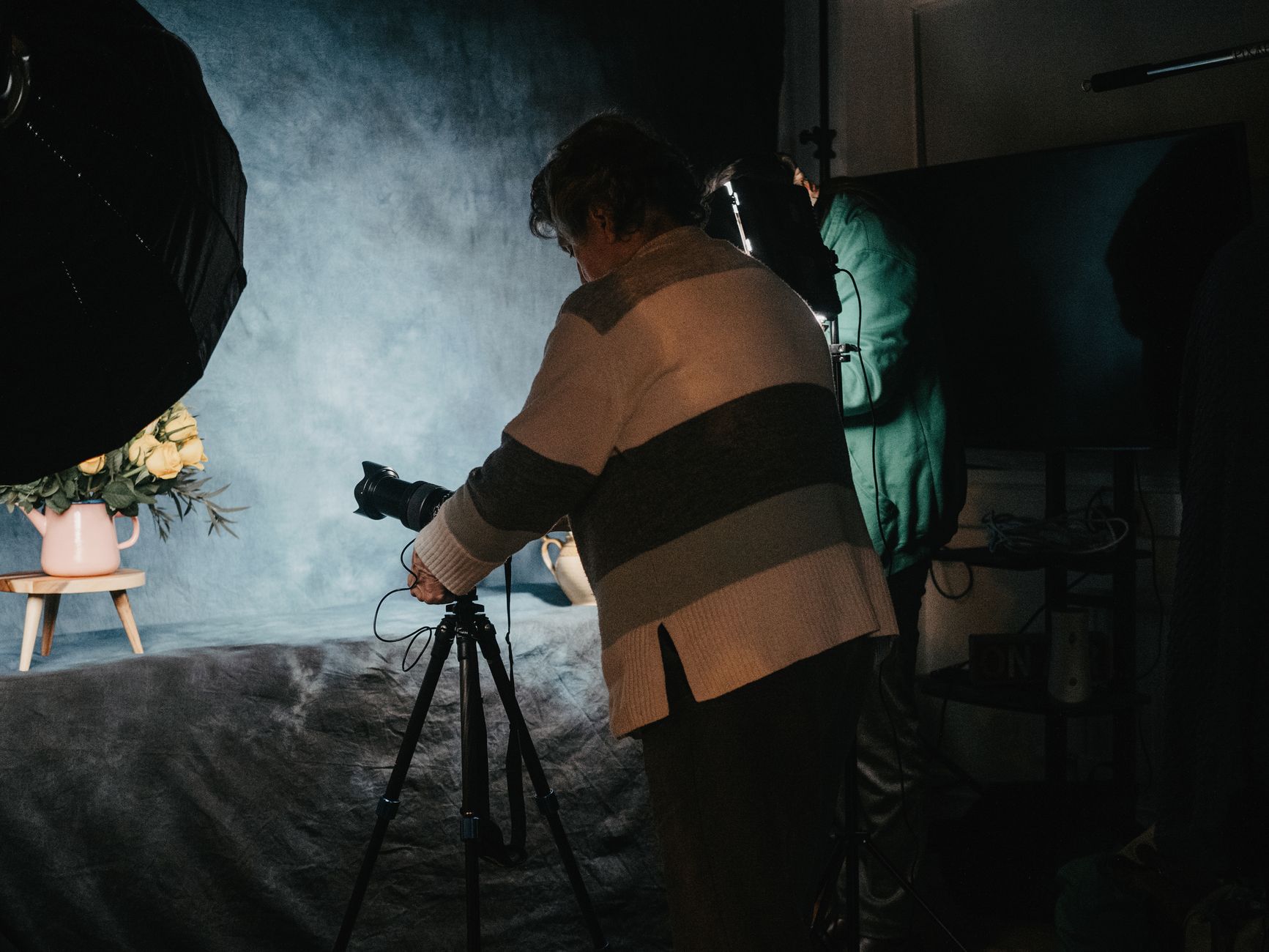
Photo by Lisa Fotios.
Key Camera Settings to Learn First
Playing with the manual settings of your camera gives you more creative control. Start learning these key settings:
Understanding Aperture and Depth of Field
Aperture refers to the opening in your lens that lets light pass through. A wide aperture (e.g., f/1.8 to f/3.5) creates a blurred background, often used in portraits. A narrow aperture (e.g., f/8 to f/16) keeps everything in focus, great for landscapes.
Shutter Speed and Motion Control
Shutter speed determines how long the camera’s sensor is exposed to light.
- Fast speeds (1/200 or higher): Freeze movement, ideal for sports or action shots.
- Slow speeds (like 1/30): Capture motion blur, such as flowing water. Use a tripod for stability.
ISO and Managing Light Sensitivity
ISO adjusts how sensitive the sensor is to light.
- Lower ISO (100-400): Best for bright conditions.
- Higher ISO (800+): Useful in low light but may create grain in images.
For detailed tips on these settings, take a look at this guide on youtu.be/Edvpu_939l4?si=TCHwwi1GQltDLmeD
Recommendations for Beginner Cameras
There’s no shortage of beginner-friendly cameras, but here are some standout options worth considering:
Budget-Friendly Options
- Canon EOS Rebel T7: Affordable, reliable, and built for beginners.
- Nikon D3500: Compact and simple, one of the best budget DSLRs.
For more beginner camera options analyzed in 2025, https://youtu.be/aoAiIJZ6s-Y
Mid-Range Models for Aspiring Photographers
If you're ready to spend a bit more:
- Sony Alpha A6400: Versatile mirrorless camera with excellent autofocus.
- Fujifilm X-T30 II: Great for those who love retro design and sharp image quality.
What to Look for When Choosing a Camera
When shopping, focus on features that matter most:
- Sensor Size: Full-frame sensors are better but pricy. APS-C is a fine compromise.
- Ease of Use: A beginner needs a camera that doesn’t feel overwhelming.
- Portability: A lightweight camera encourages you to carry it everywhere.
Tips for Setting Up Your Camera
Finally, let’s ensure you’re set up for success:
Choosing Your Shooting Mode: Auto vs Manual
As a beginner, stick with Auto mode to understand your camera. Gradually test modes like Manual or Aperture Priority to gain creative control.
Optimizing Camera Settings for Specific Scenes
Here are simple setup suggestions for common scenarios:
- Portraits: Use a wide aperture (e.g., f/2.8) and a focal length of 50mm.
- Landscapes: Narrow aperture (f/8 to f/16) with ISOs below 400.
- Indoor/Low Light: Open your aperture as wide as possible (f/2.8 or lower) and increase ISO minimally.
Conclusion
Starting with an uncomplicated camera setup allows you to focus on learning the basics. By mastering simple techniques and experimenting with settings, you’ll steadily improve. Photography is a skill shaped by practice, so grab your camera and start shooting!
Comments
Post a Comment