Lighting Issues in Video Production
Lighting is often described as the paintbrush of video production, enabling filmmakers to tell stories visually. Poor lighting can undermine even the best script or performance, leaving your video dull and unprofessional. Whether you're producing a cinematic masterpiece or a simple vlog, mastering lighting is key to success. Here's everything you need to know about common lighting issues and how to overcome them.
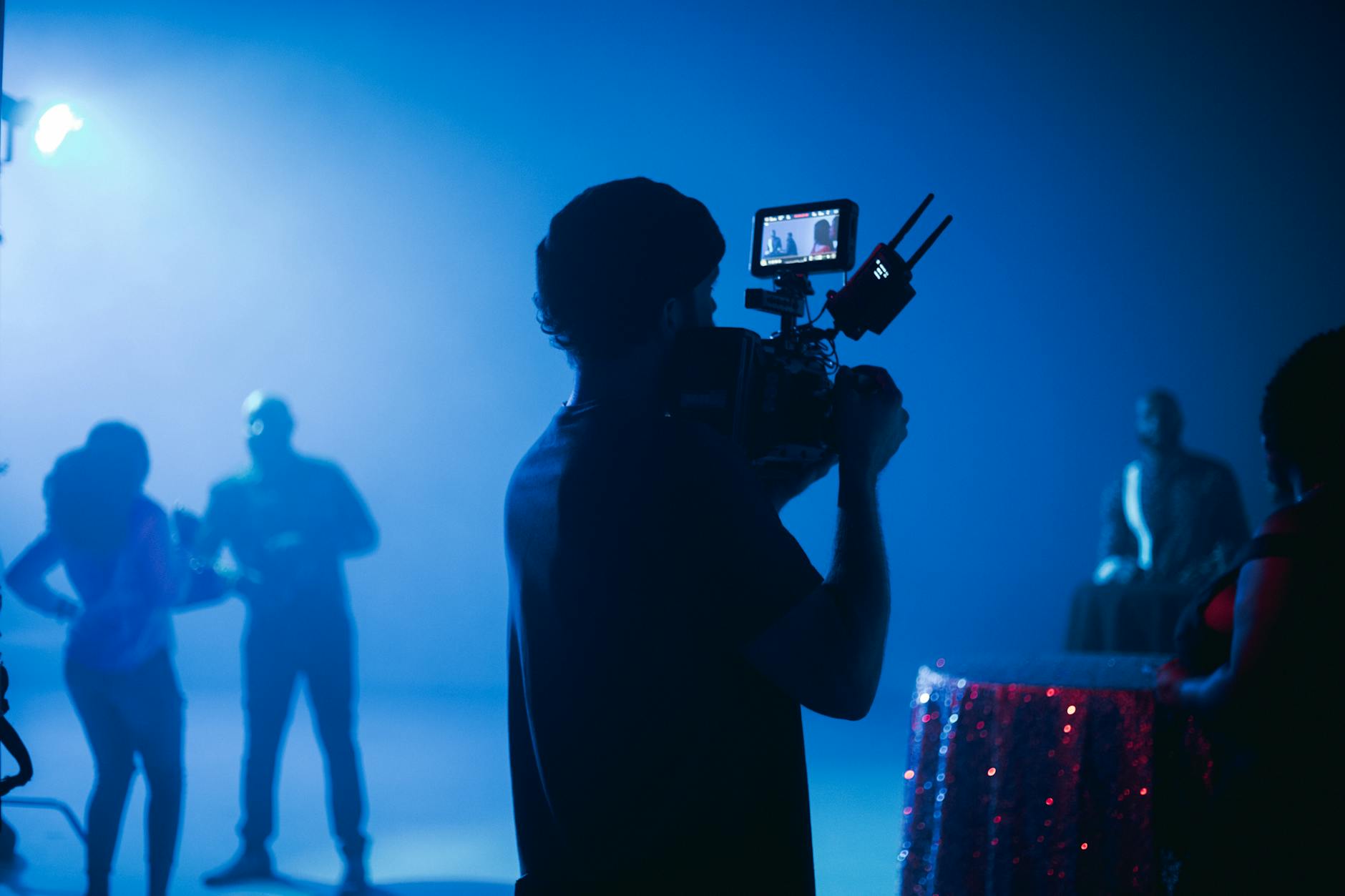
Photo by Kyle Loftus
Understanding the Role of Lighting in Storytelling
Proper lighting does more than illuminate the scene; it shapes the story, setting the tone and mood while guiding the viewer's eye.
The Emotional Impact of Lighting
Ever noticed how a brightly lit scene feels cheerful, while dim lighting evokes mystery or fear? Lighting impacts emotions in ways viewers might not even realize. For instance, soft lighting is often used in romantic scenes to create warmth and intimacy. In contrast, high-contrast lighting, like chiaroscuro, intensifies drama in thrillers and horror films. This guide to film lighting techniques further explains how intentional setups can create specific emotional responses.
Lighting and Visual Consistency
Inconsistent lighting can break immersion, drawing attention to technical faults instead of the story. Shadows shifting between cuts or fluctuating brightness may distract viewers. Consistency ensures your production looks polished—especially crucial for multi-camera setups.
Common Lighting Issues in Video Production
Even experienced videographers face challenges when it comes to lighting. Here's a breakdown of common problems:
Shadows and Uneven Lighting
Unwanted shadows can distort faces or backgrounds, giving a scene an amateurish feel. Uneven lighting may make some areas appear too bright while others disappear into darkness. This not only affects scene quality but also viewer engagement.
Color Temperature Mismatch
Mixing light sources with different color temperatures can throw off a scene's look, leaving an orange or blue tint. For example, combining daylight (cool) with incandescent bulbs (warm) could make colors appear unnatural.
Low Light and Noise Issues
Shooting in low-light conditions is tricky. Without enough light, cameras often amplify ISO, resulting in a grainy, noisy image. Noise distracts from the content and lowers the overall quality of the video.
Overexposure and Highlight Clipping
Overexposed areas, where bright spots lose detail, can ruin your footage. For example, capturing sunlight without adjusting settings might lead to entire portions of your scene being irreparably blown out.
Solutions to Overcome Lighting Problems
Luckily, with attention to detail and a bit of planning, you can fix or prevent most lighting issues.
Using Three-Point Lighting
The three-point lighting setup—key light, fill light, and backlight—is a foundational technique for professional-looking footage. This overview of the three-point lighting setup demonstrates how these elements balance brightness and eliminate harsh shadows.
Utilizing Light Modifiers
Tools like softboxes, diffusers, and reflectors help control the direction and intensity of light. They soften shadows, reduce glare, and make scenes feel more natural.
Balancing Natural and Artificial Light
Blending natural light with artificial sources requires precision. Using tools like ND filters or setting white balance manually ensures cohesive lighting across your shots. Learn more tips about balancing light on sets.
Post-Production Fixes for Lighting Errors
While it's best to get lighting right on set, minor adjustments can be made in editing software. Programs like Adobe Premiere Pro and DaVinci Resolve allow you to correct exposure, adjust color balance, and reduce noise.
Tips for Better Lighting Setup Before Shooting
Preparing your lighting before filming saves time and eliminates stress during production. Here's how to set yourself up for success:
Understanding Your Light Sources
Assess the lighting available in your shoot location. Whether it’s natural sunlight, overhead fixtures, or portable lights, knowing your options allows you to plan accordingly.
Planning for Ambient Light Changes
When shooting outdoors, daylight shifts can cause consistency issues. Use light meters or monitor changes in real time to maintain balance.
Investing in Quality Lighting Equipment
Good equipment can elevate your work. LED panels, ring lights, and portable softboxes are excellent investments to ensure you’re always prepared. Adorama's guide to basic lighting gear may help you choose the right tools.
Testing and Adjusting Lighting on Set
Always test your setup before rolling. Checking for hotspots, unbalanced shadows, or unflattering angles prevents reshoots and saves valuable production time.
Conclusion
Lighting is an essential component of video production that can’t be overlooked. Understanding its impact on storytelling, anticipating common pitfalls, and employing practical solutions can drastically improve your footage. By mastering both technical skills and creative techniques, you’ll ensure your projects always look polished, professional, and visually compelling. Keep practicing, and watch your work shine—literally!
Comments
Post a Comment